Spark plugs are small yet essential components of your vehicle’s engine. They play a critical role in starting your car by igniting the air-fuel mixture inside the engine, helping it run smoothly.
However, when spark plugs go bad, they can cause major issues that affect the starting process and engine performance.
In this post, we’ll dive into what happens when spark plugs fail and how they can prevent your engine from starting properly.
What are Spark Plugs?
Before understanding how a bad spark plug affects your engine’s starting, it’s important to know what spark plugs do.
Spark plugs are part of the ignition system in an internal combustion engine. They are responsible for delivering an electric current that ignites the air-fuel mixture inside the engine’s cylinders, creating combustion. Without spark plugs, the engine won’t run.
Each spark plug contains a metal electrode that produces a spark when a high-voltage current is passed through it. This spark ignites the compressed air-fuel mixture, causing the engine to fire up and generate power.
How Do Spark Plugs Go Bad?
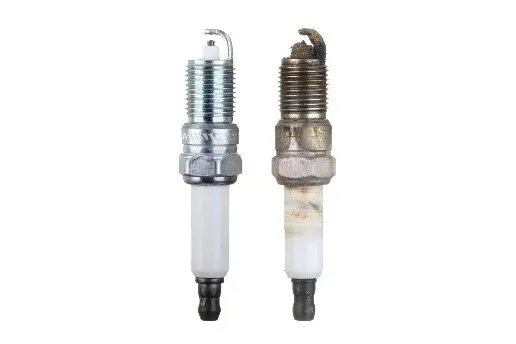
Over time, spark plugs can become worn out due to constant use. Factors such as high mileage, poor fuel quality, or improper maintenance can accelerate this process. Common reasons for spark plug failure include:
- Worn Electrodes: The spark plug electrodes wear down with time and use, reducing their ability to create a strong spark.
- Carbon Buildup: Carbon and other deposits can accumulate on the spark plug, reducing its ability to conduct electricity efficiently.
- Overheating: If the engine runs too hot, it can cause the spark plug to overheat and degrade.
- Fuel or Oil Leaks: Leaking fuel or oil can coat the spark plug, causing it to misfire or fail.
The Impact of Bad Spark Plugs on Engine Starting
When spark plugs go bad, they can directly impact the starting process of your engine. Here’s how:
1. Rough Idle/Misfiring
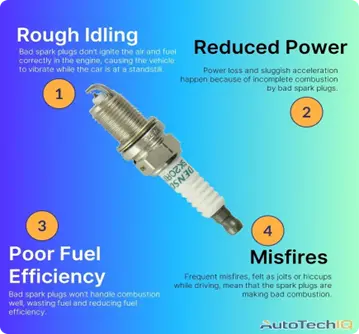
Another sign of faulty spark plugs is a rough idle once the engine finally starts. Since spark plugs are responsible for controlling the combustion process, a bad spark plug can cause the engine to run unevenly. This could result in the engine sputtering, shaking, or making irregular noises while idling. If you experience these symptoms, it may indicate that your spark plugs are no longer working as they should.
When spark plugs fail to generate a consistent spark, engine misfires can occur. A misfire happens when one or more cylinders do not fire at the correct time, leading to an imbalance in the engine’s performance. Misfires can make the engine feel jerky, slow, or even completely stall, especially during acceleration.
If the spark plug fails to fire at all, it can prevent the engine from starting properly or cause the engine to stop running entirely.
2. Decreased Engine Performance
Even if your engine starts, a bad spark plug can affect its overall performance. You might notice a decrease in fuel efficiency, poor acceleration, or a rough ride. A weak or faulty spark can cause incomplete combustion, leading to less power being generated. In the long term, this can damage your engine further if not addressed.
3. Check Engine Light
A failing spark plug often triggers the “Check Engine” light on your dashboard. Modern vehicles are equipped with sensors that monitor the performance of various components, including the ignition system. When the sensors detect an issue with the spark plugs, they will send a signal to the car’s computer, which will activate the Check Engine light. If this light comes on, it’s a good idea to have your spark plugs checked.
4. Hard or No Start
One of the most noticeable symptoms of bad spark plugs is difficulty starting your engine. If the spark plug is too worn out or damaged, it won’t generate the spark needed to ignite the fuel-air mixture. This can result in an engine that takes longer to start or doesn’t start at all.
In some cases, the engine might crank but fail to fire up completely, leaving you frustrated and stranded.
How to Tell If Your Spark Plugs are Failing
If you’re noticing any of the issues listed above, it’s time to check your spark plugs. You may also experience the following signs:
- Poor acceleration or sluggish engine response
- Engine misfires
- Increased exhaust emissions
- Difficulty starting in cold weather
- Lack of power when driving uphill or accelerating
In these cases, it’s best to have your spark plugs inspected and replaced by a professional mechanic.
How to Prevent Spark Plug Issues
Preventing spark plug failure is much easier than dealing with its consequences. Here are some tips to extend the lifespan of your spark plugs:
- Regular Maintenance: Follow the manufacturer’s recommended schedule for replacing your spark plugs. Typically, spark plugs last between 30,000 and 100,000 miles, depending on your vehicle and driving conditions.
- Use High-Quality Fuel: Poor-quality fuel can cause carbon buildup on the spark plugs. Always use high-quality fuel that meets your vehicle’s specifications.
- Monitor Engine Temperature: Overheating can damage your spark plugs. Keep an eye on your engine’s temperature and address any overheating issues immediately.

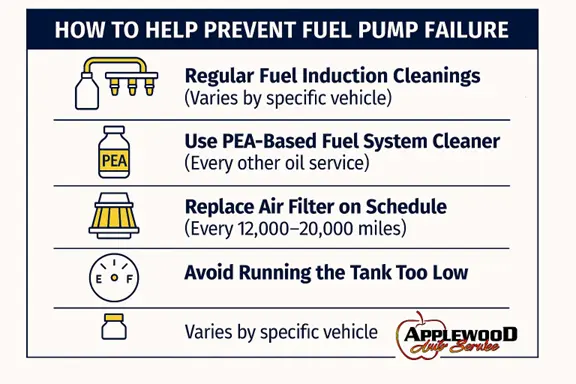
- Perform Regular Fuel Induction Services: Performing a fuel induction service every 15,000 miles helps reduce the overall carbon build up that will cause premature wear on the spark plugs.
Conclusion
Spark plugs are critical components in your vehicle’s ignition system, and when they go bad, they can cause a variety of issues that affect engine starting. From difficulty starting to engine misfires and rough idling, faulty spark plugs can prevent your engine from running smoothly.
Regular maintenance, including fuel induction services and manufacturer scheduled replacement intervals (tune-up) will mitigate premature wear and any possible vehicle breakdowns over time.